Product briefs
Turn an idea into user, feature, market, cost, quantity and approval inputs a factory can review.
Buyer education with factory evidence
Choose your role, product and stage. The academy builds a short learning path, product-brief checklist and next manufacturing decision using original examples and named review.
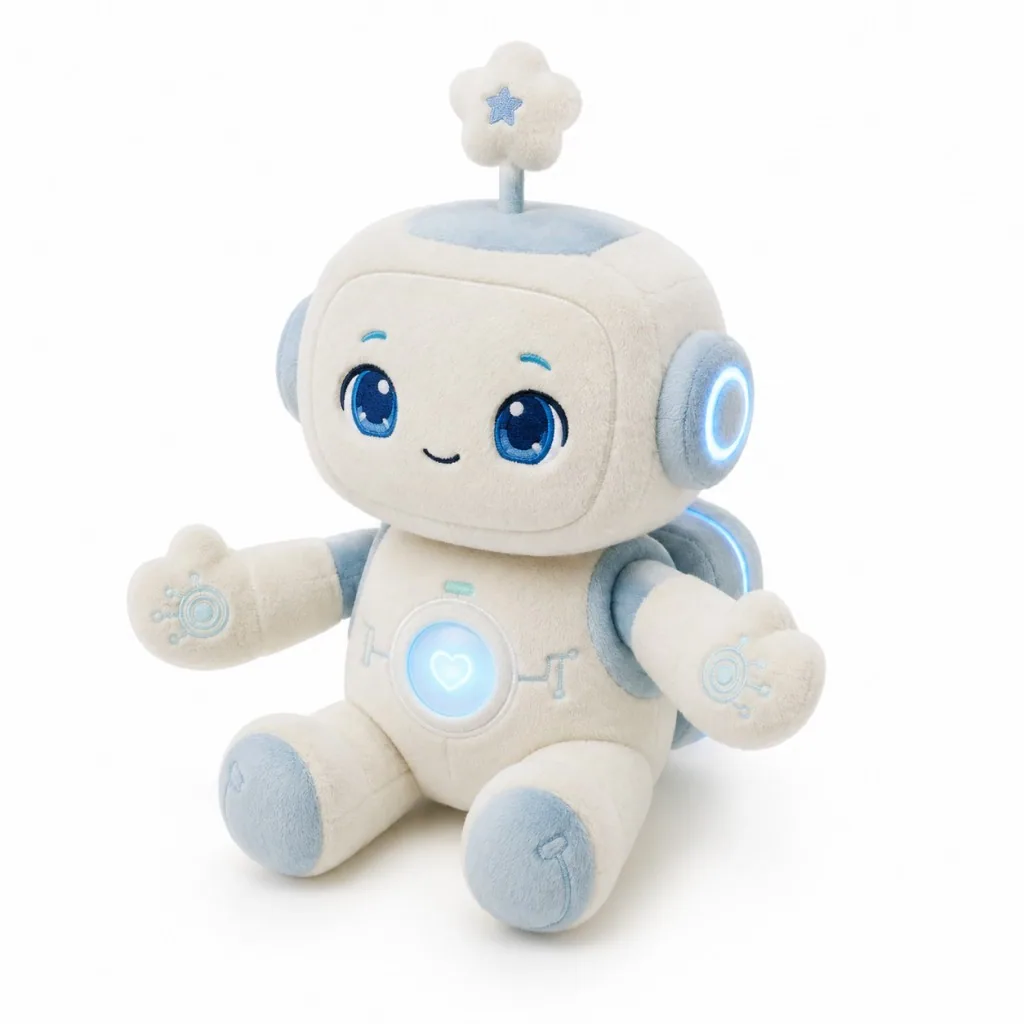
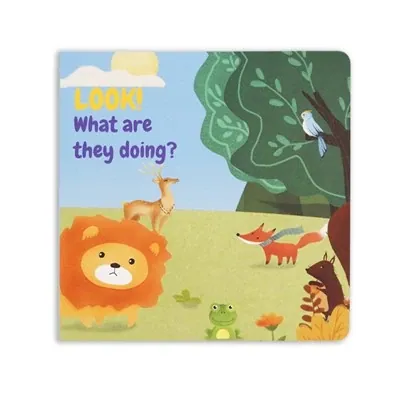
Original examples + templates + expert review
A simpler start
A sketch, character, specification or reference product is enough for an initial feasibility review.
Clear portfolio role
Teach buyers how to plan custom toy production through original factory examples, expert review, templates and structured learning paths.
No mass-produced generic articles or rewritten competitors; every indexable resource requires first-hand evidence, a template or expert analysis.
What this team solves
Every capability below connects to the same brief, approvals and target launch.
Turn an idea into user, feature, market, cost, quantity and approval inputs a factory can review.
Compare capability, evidence, ownership, engineering, quality and handoff rather than homepage claims.
Use each sample and tooling gate to answer a decision before production risk expands.
Understand category-specific dependencies through diagrams and annotated factory examples.
Connect golden samples, inspections, packaging, delivery terms and operational evidence.
Check understanding and leave each learning path with a better project brief.
Buyer advantage
Each learning path starts with a real project question and ends with a template, checklist or review task. Editorial pages disclose Chloe Toys ownership and separate education from commercial calls to action.
Get Product BriefApproval-led process
The next stage starts only when the current product decision is documented well enough to protect cost, quality and schedule.
Start with the reader, the decision they need to make and the evidence required to make it responsibly.
Explain sources, assumptions, exclusions, reviewer roles and the limits of the analysis or template.
Connect the guidance to a first-hand diagram, calculation, template, observation or product review.
Provide a download, worksheet, data view or annotated pattern that supports real project work.
Keep a visible version, reviewer and change note when the subject, sources or method changes.
Interactive buyer tool
Choose your role, product and stage, pick the decisions you need to make, then add your details. Send once and we reply with the curriculum, the product-brief priorities and the questions still open.
Set the role, product and stage, then add your details. One send builds the curriculum and brings your brief to our team.
Working recommendation
One send builds this curriculum and brings your brief to our team. It is a planning aid, not a final engineering, cost or compliance decision.
Representative project patterns
These anonymized patterns demonstrate scope and process. Customer names and measured results require publication permission before indexing.
A founder moved from feature list to responsibility map and feasibility-ready brief.
Review the decision pathContent, print, electronics and pilot approvals explained through one annotated example.
Review the decision path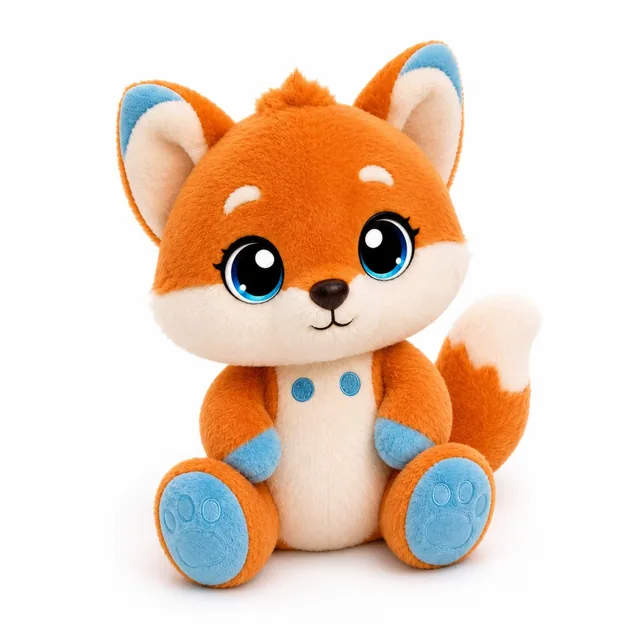
Physical and electronic dependencies shown through an integrated sample path.
Review the decision pathIndexability gate
Indexing requires named authors and reviewers, original factory material, downloadable assets, source references and visible substantive updates.
Prepare a better brief
Organize the inputs a manufacturer needs first.
Use this resourceChoose development responsibility with clearer evidence.
Use this resourceReview capability, process and proof before selection.
Use this resourceNo. Chloe Toys owns and sponsors the publication; editorial and commercial content are identified clearly.
Draft resources are provided for buyer education subject to the visible usage terms and version notes.
Each indexable lesson needs a named subject reviewer and current original evidence before publication.
Yes. The planner on this page sends your project for feasibility review in the same press; educational downloads elsewhere on the site do not require an inquiry.
A standard-platform sample may take roughly 7 to 14 days after requirements and files are approved. Custom tooling, electronics, firmware or complex mechanisms receive a project-specific schedule after feasibility.
Your brand, characters, artwork and content remain yours. Ownership of paid custom deliverables is defined in the signed agreement, while Chloe Toys retains its pre-existing tools, reusable technology and manufacturing know-how.
Who we work with
Every lesson here draws on real production runs we have made for teams like these.




















Common question
A toy moves through a repeatable sequence: a product brief, feasibility review, samples, tooling, pilot production, mass production, inspection and packing, then delivery. Each stage exists to close a specific risk before the next stage makes that risk more expensive to fix. That is why factories gate progress on approvals rather than on dates, and why the academy organizes lessons around those decision points instead of as a general article archive.